

Depression Counsellor
Nexus Psychology, R.Psych.
Registered Psychologist
In T8A 6H2 - Nearby to Fort Saskatchewan.
Everyone has bad days, but when these bad days start out numbering the good days or impacting our day to day functioning, it is time to seek help. At Nexus Psychology, we offer counselling for adolescents and adults who are experiencing symptoms of low mood or depression. We believe in short-term, evidence-based therapy practices. We work with our clients to teach them the skills they need to be more independent with their mood management.

Depression Counselor
Sara Jungen, Psychologist
M.A., R.Psych. - Registered Psychologist
Available for Online Therapy
Research has clearly demonstrated that mindfulness-based approaches to depression are so powerful that they can reduce the chances of having a relapse by 50%! That's a big deal. A depressed mind is busy creating all kinds of negative thoughts. Mindfulness-based therapy will teach you a new way to relate to your thoughts. You don't have to believe everything you think! Especially the bad stuff, becuse it's often not true.

Depression Counsellor
Janel Daugela, MC
Registered Provisional Psychologist
In T5N 3N8 - Nearby to Fort Saskatchewan.
In working with clients who are experiencing depression I tend to avoid recommending medication (except when necessary). For clients who are currently on medication, many come looking to work towards healthy functioning without medication. One of the most difficult parts about healing from depression is how difficult it can be to feel motivated to take action to care for yourself. I understand that, and I won't push you to do anything you aren't ready for. Making an appointment and attending the session is one of the most difficult steps. When you make it in, we will be able to develop an understanding of the underlying issues that lead to your depression and a plan to overcome it.
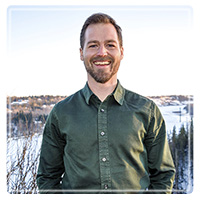
Depression Counsellor
Samuel Platts, CSAT
Registered Psychologist (Alberta, #4832)
In T5K 0J8 - Nearby to Fort Saskatchewan.
Depression is a symptom that can be debilitating. The suffering is great and we often do not have the energy to handle life the way we feel we need too. Therapy is an evidence based way to treat depression. The work I do focuses on understanding the root cause of the depression, and working with you to begin allowing yourself to transform and live in a way that in congruent with who you really are.
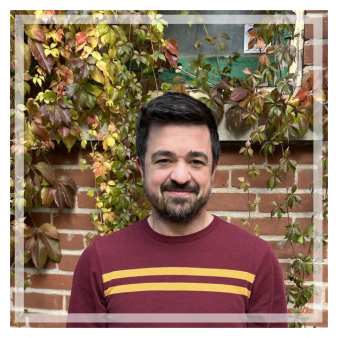
Depression Counsellor
Kyle Sobey, RSW, Clinical MSW
Registered Social Worker and Therapist
In T6C 0K1 - Nearby to Fort Saskatchewan.
Depression can be so overwhelming. It can have you barely able or even unable to leave our bedroom. It can have you feeling like no one truly sees, understands, or cares about you. I approach this area with compassion, empathy, understanding, and encouragement. We work progressively at a pace that works for you, towards hope for your future, towards a better outlook on life.

Depression Counsellor
Jack Lewis, R.Psych., C. Psychol., AFBPSs.
Registered Psychologist
In T8N 5A7 - Nearby to Fort Saskatchewan.
Depending is often the result of negative thoughts and beliefs about yourself and your life. One gets trapped in a downward spiral that drains the life force out of you. Past experiences and actions may continue to haunt you. The beliefs about oneself can be difficult to fight. My approach is not to cheer lead you to fight them and be strong but to go deeper and challenge the very truth of what you are believing about yourself. Accepting ones weakness and vulnerability without being controlled by them can be hard but it is ultimately the way up to a more integrated and fulfilling life.

Depression Counsellor
ShiftGrit Psychology & Counselling, R. Psych, MACP, MSW, RSW
Psychologists, Counselor, Child Psychologist, Marriage Counsellor, Mental Health Clinic, Mental Health Service, Social Workers
In T5N 1R7 - Nearby to Fort Saskatchewan.
Depression treatment counsellors can help clinically depressed or mildly depressed individuals find the origin of their depression, so it is treated more permanently. In combination with meditation or without, cognitive behavioural therapy, Shift Protocol, which systematically reduces and/or eliminates Limiting Beliefs using Reconditioning via Exposure & Integration (REI) (more commonly referred to as Reprocessing) therapies are skillfully woven into Shift’s protocol, to create a structured and highly effective treatment. Risk factors and development factors are investigated in the initial intake session. Continued screenings for treatment progression and depression symptoms are present i

Depression Counsellor
Laurence Zalmanowitz, M.Ed, R.Psych
Registered Psychologist
In T5K 1C5 - Nearby to Fort Saskatchewan.
The way you think greatly impacts how you feel, and navigating this on your own can be confusing. If you are one of the 1in 5 Canadians that experience depression at sometime in your life, there is help. Together we can take a closer look at how you think and appraise circumstances and events and explore how that impacts your overall outlook and feelings. When you change the way you think you can change how you feel and I am here to help with that.
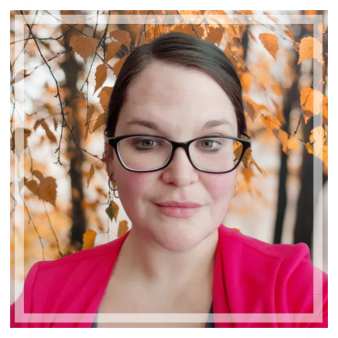
Depression Counselor
Kate MacDonald, M.C, CCC, R. Psych
Registered Psychologist
Available for Online Therapy
Depression feels like a deep dark hole that you can't possibly see a way of getting out. Perhaps you have been slowly sliding in for years as life stressors and challenges built up, or maybe it has been a rapid decline with something unexpected knocking you off course. My approach to working with depression includes working towards small, manageable steps to help you feel more confident in yourself and your abilities. Therapy will be like dropping down a ladder into the hole - the path is there and I will help you learn how to climb each rung to get back out again. By the end of therapy, you will find that you can laugh more, have more energy, and enjoy life again.

Depression Counsellor
Compassionate Counselling Inc., Therapists
Compassionate Counselling Inc.
In T6E 1T4 - Nearby to Fort Saskatchewan.
Sometimes depression feels so dark it is hard to get out of bed. Other times it is more like a "heavy cloud" that burdens you with constant negative thoughts and feelings. Sometimes people are haunted by a barrage of critical thoughts like "what's wrong with you", " you always screw up", " if only you were like other people". Counselling helps you change the way you think and feel about yourself so you can approach life with a more hopeful and positive outlook.

Depression Counsellor
Hilda Huj, B.A., M.A.
Registered Clinical/Counselling and Forensic Psychologist
In T5K 1C5 - Nearby to Fort Saskatchewan.
It is so hard to understand depression. However, once you do understand it, it becomes a highly treatable state. I hope that we will together pinpoint the life problems that contribute to your depression and find which aspects of those problems can be solved or improved. Identify negative or distorted thought patterns you might have, and develop your skills that will help you fight the depression.
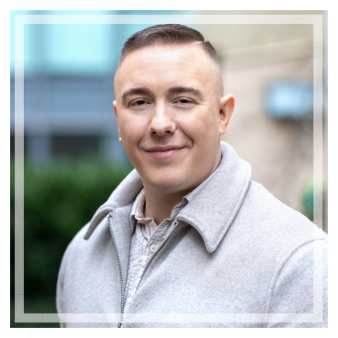
Depression Counselor
Tim Garner, MC, CCC
Canadian Certified Counsellor
Available for Online Therapy
Feeling overwhelmed, hopeless, or constantly tired? Are you struggling with a sadness that won't lift, losing interest in things you once loved, or trapped in a cycle of negative thoughts? I get it. Depression is tough. But with the right support, you can find joy again, rediscover motivation, and build resilience. As a clinical counsellor, I'm here to help you reclaim your life with compassionate, results-oriented therapy using proven techniques. Let’s take this journey together. Book your free 15-minute phone consultation today and start moving towards a brighter, more empowered future.
Depression Counsellor
Tamara Hanoski, Ph.D, R.Psych
Registered Psychologist
In T6B 3J4 - Nearby to Fort Saskatchewan.
Many people believe that in order to be "strong," they need to bury their feelings and keep them hidden from others. Over time, this can backfire, as feelings can build and take over, leaving a person feeling down and depressed, or overwhelmed. I work with clients not only to work through feelings of anger, resentment, hurt, and sadness that have built up, but to develop new habits of self-care, assertiveness, boundaries, healthy expression of feelings, communication, and stress management so that this does not occur again in the future. By doing this, they can become a more well-rounded person, who feels free to express feelings as they arise, and no longer carries them with them.

Depression Counsellor
Farrel Greenspan, MC
Registered Psychologist
In T5K 2J1 - Nearby to Fort Saskatchewan.
Many people think depression is about not doing enough or being uncommitted to their goals, however, people who struggle with depression are facing the problem of being over-committed to their goals and failing. When I work with clients dealing with depression the goal is to manage goals and expectations and work on creating small changes that build momentum to larger changes.

Depression Counselor
Heather Awad, MCP, RCC
Registered Clinical Counsellor
Available for Online Therapy
Are you struggling to get out of bed, losing interest in once-loved activities or feeling helpless and hopeless? The lethargic and foggy shutdown of depression can make everything in life feel just a few inches out of reach. The good news is that depression is readily treatable. I would be glad to help you explore what is keeping your body stuck in numb disconnection. Next, we form a plan to help you back to your best self. Together we tackle here-and-now symptoms with strategies of mindfulness and CBT, while also untying old knots from the past with emotion-focused and inner-child work. The heaviness of depression is your body asking for care. Are you ready to answer its call?

Depression Counsellor
Kevin Alderson, Ph.D.
Registered Psychologist (Alberta and Ontario)
In T5N 3Y8 - Nearby to Fort Saskatchewan.
[I OFFER VIDEO SESSIONS THROUGHOUT ALBERTA AND ONTARIO]. I have been severely clinically depressed several times in my life. I know how it feels to be in a dark hole yet be unable to rise above and function normally again. But I can help. I have been a psychologist since 1986. I know all the techniques and I have a good understanding of the right physical interventions to help you as well. Book a session today by simply going to https://app.acuityscheduling.com/schedule.php?owner=14249112
Depression Counsellor
Al Riediger, Ph.D., R.Psych.
Registered Psychologist
In T5K 1C5 - Nearby to Fort Saskatchewan.
Depression is not feeling bad – it is not feeling. When we become depressed we try to insulate ourselves from our emotions. Treatment for depression requires a willingness to feel what we are avoiding. This requires a process of exploring the buried feelings in a safe, supportive environment. As we become friends with our emotions we can gradually come back to life.
Depression Counsellor
Patrick Schiller, MEd., R. Psych.
Registered Psychologist
In T5K 1C5 - Nearby to Fort Saskatchewan.
Are you struggling with the constant influence of depression in your life? Please know that there is hope for you, for your life, and for relief from the burden of depression. You may be in need of the support that you will find by coming to see me in therapy. Depression can tear a whole in the normal activities of life, and keeps you feeling lost, alone, and without hope. You are not alone, and together we will work through your experience of depression and help you to move towards the things that you love and care for. I am confident that together we will find a way through pain to joy and peace.
Depression Counsellor
Sherri Farbin, M.Sc. R.Psych
Registered Psychologist
In T6X 1E9 - Nearby to Fort Saskatchewan.
Depression is a common problem, but this makes it no less difficult to overcome. It takes a lot of effort and great courage to enter counselling for depression, as you need to muster up the strength and hope to open up to a stranger with such a deep and vulnerable pain. I offer a few approaches to depression, one of which is CBT, a proven therapy that helps people identify certain thought patterns and beliefs, as well as some behaviors that are contributing to their feeling "stuck". These strategies have been proven to be very helpful to clients. Most importantly, I believe that providing a safe environment to explore all that is on your heart and mind, is the best gift I can offer.

Depression Counsellor
Rivers Edge Counselling Centre, Inc.
Rivers Edge Counselling Centre
In T6V 0A1 - Nearby to Fort Saskatchewan.
Depression is not a journey you need to make alone. Our therapists can help you to: •Find your inner motivation and strength to live your life •Engage in activities that are proven to help alleviate symptoms of depression, such as exercise, good nutrition and meditation •Uncover and explore the life problems that contribute to your depression •Overcome isolation and reconnect with significant people in your life •Identify and challenge negative thinking patterns that lead to feeling helpless and hopeless •Control your thoughts and feelings so they no longer overwhelm you •Help you draw on your own emotional, mental and spiritual resources in the process of healing from depression.

Depression Counsellor
Faithful Therapist, PhD
Registered Psychologist
In T6E 1T4 - Nearby to Fort Saskatchewan.
Have you been feeling down for awhile? Have you lost interest in activities, have low energy, have difficulties making decisions? Do you find it hard to concentrate, to sleep, to get up in the morning? These are all signs of depression, and there are many strategies to deal with it. You do not need to suffer alone! Having someone to walk with you through this can be very helpful. We all have negative thoughts at times, but we can get dragged down into depression when negative thoughts are relentless and constant. It is not easy to battle these alone which is why reaching out for help is so important.
Depression Counsellor
Tori Hornbacher, MC, R. Psych.
Registered Psychologist
In T8H 0H9 - Nearby to Fort Saskatchewan.
Depression can feel isolating and lonely but the collaborative process of counselling can help client's to shift from feeling helpless and hopeless to finding enjoyment in life. Client's can also experience an overall improvement in their daily life from including an increase in energy, and an improvement in memory, concentration, and ability to focus.
Depression Counsellor
Paul Sussman, Ph.D.,R.Psych.(AB),L.Psych.(GA)
Licensed Psychologist, Alberta and Georgia
In T8A 3M7 - Nearby to Fort Saskatchewan.
Depression is the common cold of psychology. Like anxiety and stress, depression is quite commonly reported by consumers of psychotherapy. I am experienced, comfortable, and patient with treating depression. I am neither strongly opposed nor strongly supportive of pharmacotherapeutics. I engage an approach that is personal-growth-centered and as independent of the medical model as is possible.
Depression Counsellor
Nancy Hurst, Ph.D
Registered Psychologist
In T6E 1T4 - Nearby to Fort Saskatchewan.
Depression can feel like overwhelming sadness, or maybe like you are in a "funk" that you can not get out of. People often start to isolate themselves, and focus on negative thoughts. I offer a warm, safe place to share your feelings, examine your relationships and perceptions that may be contributing to your depression. I introduce concrete suggestions that will help you get your back on track. People frequently feel a sense of relief after sharing their burdens. In discussing experiences people are often able to view themselves differently and gain insight into how they can more effectively deal with situations and relationships.

Depression Counsellor
Angie Allan, MEd
Registered Provisional Psychologist
In T5Y 0A3 - Nearby to Fort Saskatchewan.
Depression is a mood disorder that can cause a persistent feeling of sadness and loss of interest that can interfere with daily functioning. Reaching out for help is a step towards wellness. Symptoms of depression can vary from person to person, but it is a very treatable condition. Therapy for depression helps you overcome the feelings of hopelessness and despair and to gain control of your life.
You Have Found The Best Therapists for Depression and Mood Issues in Fort Saskatchewan, AB.
Are you ready to experience new freedom? Thank you for visiting our Alberta search of licensed therapists in Fort Saskatchewan who specialize in helping people overcome sadness, treat major depression and mood disorders such as bipolar, postpartum depression, and seasonal affective disorder (SAD). Feeling down, lonely, and depressed can affect us at any station in life. Sometimes the cause may be physiological (such as hormonal or due to medication), it may be emotional, environmental, psychological or any combination of the above. Counselling for recovery and restoration from depression by a top rated therapist in Fort Saskatchewan will help you climb back up and start living your dreams again.
Fort Saskatchewan is located in Alberta, Canada. It has a land area of 48.18 square kilometers. The population of Fort Saskatchewan is 24,149 people with 9,261 households . The population ranking for Fort Saskatchewan is #177 nationally and #17 for the province of Alberta with a density of 501.30 people per sq km. Fort Saskatchewan therapists serve postal code: T8L.