

Depression Counselor
Audrey Augustave, LMHC, LPC, LCADC
Licensed Professional Counselor/ Licensed Clinical Alcohol & Drug Counselor
In 07631 - Nearby to Mount Vernon.
Audrey believes deeply in approaching depression holistically. Using a "here and now" disposition, Audrey will focus more on the present as opposed to digging through your past. We will identify patterns in your thinking and actions that do not serve you and help to reframe and restructure the belief system them supports your unhealthy behaviors. This will be paired with consistent check-ins regarding your overall health such as food, sleep, sunlight, work life etc.... to maximize overall joy in your life.

Depression Counselor
Philip Kolba, MA LCPC NCC
Psychotherapist
In 10013 - Nearby to Mount Vernon.
Research shows that the most effective treatment for depression is psychotherapy. Depression can range from feeling down to major symptoms such as having trouble even getting out of bed or contemplating suicide (if you have suicidal thoughts or plans, call the National Suicide Prevention Line at 1-800-273-8255). Online counseling is effective for depression because it is easy to access: you can start treatment without even leaving the house.
Depression Counselor
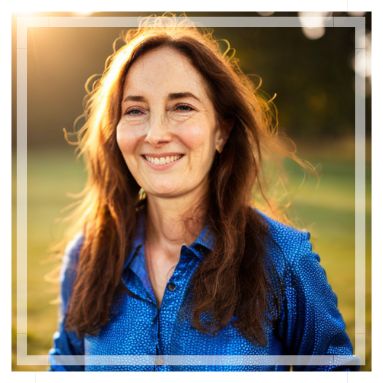
Carolyn AlRoy, Psy.D.
Licensed Psychologist
In 10011 - Nearby to Mount Vernon.
I will determine the severity of depression and the need for medication. We will figure out if depression is an acute response to a crisis or situation. We will look at the causes, your experience of depression, what are triggers for depression, and ways to cope with it and give you better control of it. If it is a recurrent depression we will find ways for you to cope, and develop good support networks if you don't have them.

Depression Counselor
Maria Sue Butler, LMFT, Supervisor State Of Florida
LMFT Diplomate, Certified of Anger management
In 10022 - Nearby to Mount Vernon.
We offer effective skills building interventions against depression. This condition cripples teens, adults, everyone. It robs people's desire to live and spend time with others. Physical ailments are easy to recognize and accept, but depression takes different forms. Children and teens become angry and violent, adults isolate themselves; sometimes many turn to alcohol or drugs. Experience the difference! Reclaim your happiness! Join us and learn how to develop effective skills against depression.

Depression Counselor
Diane Davis, L.C.S.W.
Licensed Psychotherapist
In 10010 - Nearby to Mount Vernon.
I have extensive experience working with depression, from mild forms to severe, cripplling depression. Sometimes depression can seem like the world around you has changed, leaving you isolated and feeling all alone. At times some may feel unable to go on with their daily life. I help you identify the root causes of depression and can provide strategies to move through and onwards with life.
Depression Counselor
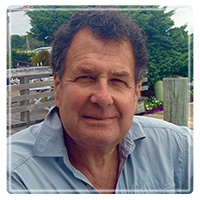
James Pearl, Ph.D.
Psychoanalyst
In 10016 - Nearby to Mount Vernon.
Depression is widespread and can also serve a function that allows one to move on in life. The catalyst such as PTSD or loss, when explored appropriately, can enliven a depressed individual. Although depressive feelings and thoughts are debilitating, the process of Working through these feelings can serve as a catalyst for personal growth.

Depression Counselor
Jessica Biles, LCSW-R, RPT
Licensed Clinical Social Worker
In 10017 - Nearby to Mount Vernon.
Depression is exhausting and isolating, but it’s also highly treatable with effective psychotherapy. My approach is collaborative and gentle, and I believe that healing happens when we feel connected and supported. I integrate a variety of therapeutic techniques including CBT, mindfulness and insight oriented interventions. I help my clients alter thoughts and behaviors that exacerbate depression, improve their relationships, and address underlying and unresolved feelings that lead to depressed mood. Together, we can help you through and out of your depression to live a balanced and happy life.
Depression Counselor
Joel Stukalin, PHD, ABPP, FAACP, MS
QUEENS COUPLES COUNSELING CENTER
In 11375 - Nearby to Mount Vernon.
Our enriched, multi-modal approach is effective for clients who consult us regarding depression and mood-modulation issues. Often the combination of cognitive-behavioral, supportive and psychodynamic-ego-enhancing approaches help moderately depressed clients within a relatively short time--usually within a few months. Our approachability, empathic listening skills and pragmatic conflict-resolution expertise are most useful for clients suffering from the debilitating effects of depression. We also stress a holistic approaches that integrate medical and nutritional needs, as well as incorporating stress reduction, physical exercise and meditation work. Our clients often benefit greatly.

Depression Counselor
Jennifer Mezey, LCSW
Licensed Clinical Social Worker
In 11753 - Nearby to Mount Vernon.
Depression can effect you emotionally, physically and spiritually. Together we will explore what triggers your depression and identify healthy ways you can cope with those triggers. I will assist you in working through this sometimes rough terrain. You will begin to utilize the tools and slowly find yourself on a smoother path, uncovering your true potential.
Depression Counselor
Chris Colasuonno, LCSW-R, MBA, CASAC
Licensed Clinical Social Worker - Credentialed Alcohol Substance Abuse Counselor
Available for Online Therapy
Depression is a mood disorder where it is important to seek out a professional. Chris has treated many people with depression and other mood disorders. Millions of Americans are effected by Anxiety and Depression with various symptoms of low mood, irritability, loss of pleasure. As a veteran psychotherapist who has treated many clients with depression, proper assessment is essential that can include coordinating care with a physician. While not all individuals need medication, having a therapist who can identify symptoms and offer empathy and understanding to individuals who suffer from a mental health disorder is beneficial. Chris uses a cognitive behavior therapy approach to help clients.
Depression Counselor
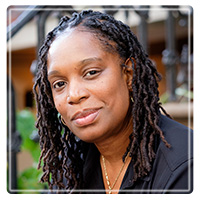
Transformation Counseling Services, LMSW,PsyD,LCSW
LMSW,PsyD, LCSW,LPC
In 10003 - Nearby to Mount Vernon.
Are you struggling with feelings of helplessness and hopelessness, having trouble sleeping or feeling as if all you want to do is sleep? Well chances are you may be suffering from depression. Our therapist use a variation of Cognitive Behavior Therapy (CBT), mindfulness and meditation, Dialectical Behavior Therapy (DBT) and interpersonal therapy techniques to help relieve your depressive symptoms. If you think you may be depressed you don't have to suffer in silence, contact us for a free consultation.

Depression Counselor
David Mark, MS, LCSW
School Psychologist, Licensed Social Worker, Certified Gottman Therapist
In 11434 - Nearby to Mount Vernon.
If you have a pulse and a heart, you have been sad. Using the science of happiness rather than standard interventions for depression we focus on increasing positive emotion, engagement, and meaning rather than directly targeting depressive symptoms. In using these interventions with clients I have noted the effects of these interventions in a variety of settings. In informal and clinical settings these interventions have commonly been reported to me and referred to as “life-changing.”

Depression Counselor
Hal Brickman, LCSW, RCSW, CSW, MSW, CHT
New York State Licensed Clinical Social Worker
In 11375 - Nearby to Mount Vernon.
Hal helps clients understand depression and better cope with the nasty and persistent erosion of hope. Hal encourages his clients to understand the reason(s) for their depression and unique ways to climb out of it. He also encourages clients to connect to, express, even write about their depression. Hal believes that only by facing it head are we able to effectively disarm depression, while increasing self-esteem.
Depression Counselor
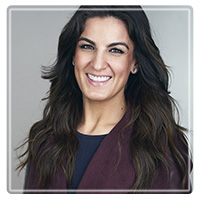
Esther Goldstein, LCSW,MSW, Trauma Therapist
Licensed Clinical Psychotherapist
In 11516 - Nearby to Mount Vernon.
Depression is a feeling that can feel incredibly heavy to hold. Sometimes we experience challenging life events that leave us feeling much sadness, grief, inner pain and lack of joy, which interfere with our daily functioning. That is called depression. With Cognitive Behavioral Therapy (challenging unhelpful thoughts) and psychodynamic modalities, I can help you work through that sadness, heaviness and pain, so that you may begin the journey of healing work. This is the first step towards holding the sadness, addressing yourself in a safe space so we can slowly help you process and shift to start feeling lighter and start seeing the sunshine and tasting the small joys in everyday life.

Depression Counselor
Jason Powell, LMFT, CST
Licensed Marriage and Family Therapist and AASECT Certified Sex Therapist
In 10001 - Nearby to Mount Vernon.
You did not choose depression, and it is not something that can simply be “shaken off.” Depression is real, life-altering, and can convince you that happiness or peace will never return. Yet depression does not define you. Together, we can acknowledge its weight while also challenging the painful story it tells. My role is to walk with you through the heaviness, to hold space for the difficulty, and to help you discover that hope and healing are possible. You do not have to face this alone.
Depression Counselor
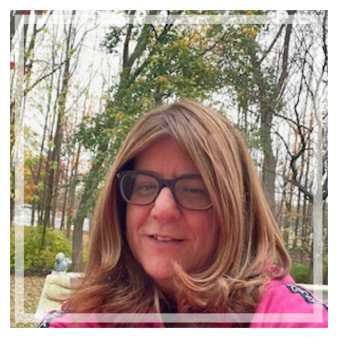
Helen Paulucci, LCSW, LCADC
Licensed Clinical Social Worker
In 10013 - Nearby to Mount Vernon.
Depression can be a challenge in the day to day functions of our lives but together we will bring your strengths to the surface and use evidenced based therapies to assist with improving your mood, increase motivation, increase energy, and find a sense of fulfillment in your life. Therapy will include both CBT and DBT techniques as well as others.

Depression Counselor
Rebecca Mitchell, LCSW, MSEd, SIFI
Psychotherapist
In 10009 - Nearby to Mount Vernon.
Depression rarely looks the same twice. For some it is sadness; for others it is numbness, exhaustion, or going through the motions while feeling invisible inside your own life. As a licensed therapist in Manhattan, I work with people whose depression has roots in trauma, loss, or long-standing patterns that talk therapy alone hasn't reached. Using EMDR and IFS, we work at the level where those roots actually live. If you are in New York City and looking for depression treatment that goes deeper than symptom management, I would love to hear from you.
Depression Counselor
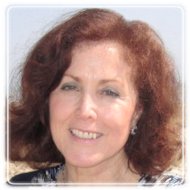
Patricia Pitta, Ph.D., A.B.P.P.
Clinical and Board Certified Family Psychologist
In 11030 - Nearby to Mount Vernon.
Depression is anger turned inward or against yourself. As anger builds within, an individual has three choices: To channel the anger energy assertively by expressing the feelings attached to the situations causing one to feel depressed; to express the anger through outbursts that can be very destructive to the self and others; to internalize the anger and become more depressed and less functional with time. My job is to enable you to learn how to identify and express feelings that are causing you to feel depressed. The next step is to change behaviors associated with your feelings freeing you from depressive thoughts and feelings.

Depression Counselor
Joanne Gerr, LCSW
Licensed Psychotherapist and Adult Educator
In 10017 - Nearby to Mount Vernon.
Depression is often controlled by our unconscious feelings, thoughts, memories, and dreams. Drawing on Positive Psychology and other therapeutic models, I help clients to understand how we relive early experiences unconsciously, and I coach them on behavioral techniques they can use to overcome the vicious cycle of negativity and change their present. These include a blend of empirically based techniques clients can use at work or at home to overcome depression, end self-sabotage, and get unstuck.
Depression Counselor
Kevin Fleming, Ph.D.
Coach/Change Agent/Consultant
In 10012 - Nearby to Mount Vernon.
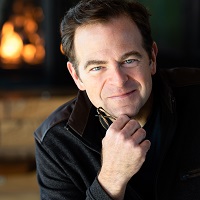
Grey Matters International, Inc. and the work of Kevin J. Fleming, Ph.D. handles depression and other emotional disorders in a very unique way. Most of therapy or counseling processes utilize validation, unconditional positive regard, and reframing as common techniques to get someone to heal from their depression. Though this can be helpful, it rarely fixes the core problem behind it and for tough cases we then refer them usually to a psychiatrist for medication which can have tons of side effects. Instead, why not try a natural and arguably more effective way to not just change your mind, but change the brain--where the depression is rooted. Contact us at kevin@kevinflemingphd.com

Depression Counselor
Yasmine Saad, Ph.D.
Senior Clinical Psychologist
In 10016 - Nearby to Mount Vernon.
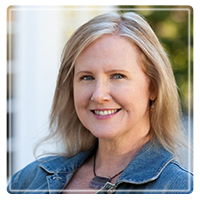
Madison Park Psychological Services is devoted to serving the NYC community through depression therapy and many other psychotherapy and treatment specializations. Our goal is to provide a safe environment and professional guidance so you can achieve balance at the Body-Mind-Spirit level. We work with diverse populations across various cultures, religions, and ages to offer a tailored treatment for sustainable results.
Depression Counselor
Kelley Hopkins-Alvarez, LPC,CST,BCC
Couples Therapist, Discernment Counselor, Sex Therapist, Healing Separation, Co-Parenting Counselor, Non-Adversarial Divorce Support
In 06830 - Nearby to Mount Vernon.
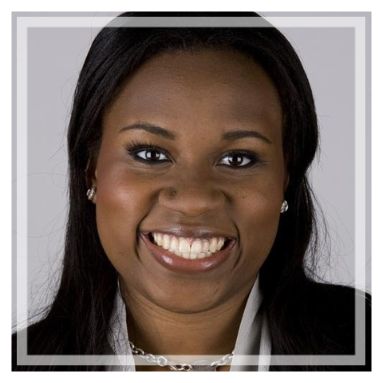
Low mood and depression can really impact your relationship. Our sessions will address the negative cycles that are occurring in your relationship that can fuel your low mood such as money, intimacy/sex, communication, parenting, chores, impact of not enough time, etc. Together, we’ll work toward healing and restoring connection in a safe, supportive space. My office and private waiting room are designed to be motivating, elegant, and comforting—creating a space where healing and connection can thrive. This bespoke setting is an integral part of the luxury concierge therapy I provide.
Depression Counselor
Jennifer Okwerekwu, MD, M.S., Psychiatrist
Reproductive Psychiatry & Integrative Women's Mental Health Practitioner
In 11385 - Nearby to Mount Vernon.
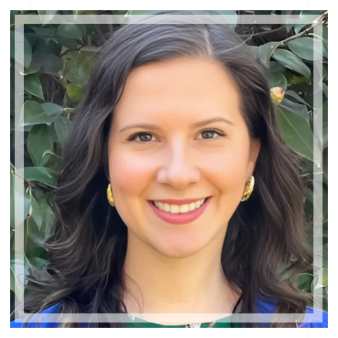
In my approach to depression counseling and treatment, I provide a compassionate and holistic perspective, tailoring my interventions to the unique needs of each client. Drawing upon my 8 years of experience as a Board-Certified adult psychiatrist and specialization in Reproductive Psychiatry and Integrative Women's Mental Health, I offer evidence-based therapies and medication management.
Depression Counselor
Allia Brickman, LMHC, CGT, CCATP, CHT
Licensed Mental Health Counselor
In 11030 - Nearby to Mount Vernon.
Depression can range from being draining to being completely debilitating. Wherever you land on that spectrum, so much of depression involves negative thinking of oneself, others, and the world. Talk therapy and cognitive behavioral therapy are research-backed successful tools in providing support for those experiencing depression. I use talk therapy to provide a space for clients to share their feelings and things that either lead to or are affected by their feelings of depression. Cognitive behavioral therapy helps identify and shift negative thinking patterns as well as behaviors, which ultimately creates a more positive cycle in ones life and decreases symptoms of depression.

Depression Counselor
Gerald Schoenewolf, Ph.D.
Licensed Psychoanalyst
In 10009 - Nearby to Mount Vernon.
Almost everybody has depression of some type or another. Sometimes depression is linked to a childhood trauma and sometimes it comes from a recent traumatic event. No matter where it comes from, it can affect your mood, your thinking and your behavior. Because I have learned to deal with my own depression, I can help you deal with yours. I use a variety of modalities to work with you and get you out of your depression so that you can function better in your personal life and your career.
You Have Found The Best Therapists for Depression and Mood Issues in Mount Vernon, NY.
Are you ready to experience new freedom? Thank you for visiting our New York search of licensed therapists in Mount Vernon who specialize in helping people overcome sadness, treat major depression and mood disorders such as bipolar, postpartum depression, and seasonal affective disorder (SAD). Feeling down, lonely, and depressed can affect us at any station in life. Sometimes the cause may be physiological (such as hormonal or due to medication), it may be emotional, environmental, psychological or any combination of the above. Counseling for recovery and restoration from depression by a top rated therapist in Mount Vernon will help you climb back up and start living your dreams again.
Mount Vernon is located in Westchester County, New York. It has a land area of 4.38 square miles and a water area of 0.01 square miles. The population of Mount Vernon is 68,628 people with 24,989 households and a median annual income of $50,952. .
Therapy Affordability Meter for Mount Vernon, NY
Affordable with Planning
Therapy in Mount Vernon is generally within financial reach for the average family, but some budget planning may be needed for a real commitment to weekly counseling. Remember that your mental health and happiness are important. Check with your Mount Vernon therapist about insurance coverage or ask about sliding scale fees if there are any difficulties with accessibility. Low cost counseling and affordable therapy are also sometimes offered by listed city and university level clinics, check with your local Mount Vernon public health department.