April 21, 2026
by Patricia Tomasi

A new study published in eClinical Medicine looked at hyperarousal and how different dimensions characterize mood, anxiety, insomnia, posttraumatic stress and attention deficit hyperactivity disorders. “In our study, we aimed to better understand hyperarousal and how it is measured in different mental disorders,” study author Tom Bresser told us. “Despite its role in multiple mental disorders, it remained unclear whether different questionnaires were measuring the same hyperarousal construct. We were hoping to find out if hyperarousal is a single shared construct or whether different hyperarousal dimensions exist.”
[More]
April 14, 2026
by Patricia Tomasi

A new study published in the Journal of Clinical Psychology and Psychotherapy looked at predicting client dropout in a practice-research network. “Our study examines why some clients leave psychotherapy very early, specifically within the first three sessions, in a large U.S. digital mental health network, study author Dr. Seungbin Oh told us. “We wanted to understand whether therapist level factors, including therapists’ flourishing and burnout were associated with early dropout, above and beyond differences between clients.”
[More]
April 7, 2026
by Patricia Tomasi

A new study published in PLOS One looked at benchmarking the issue importance of mental health for American voters. “It's about how important mental health policy is to American voters,” study author Jake Haselswerdt told us. "Politicians don't talk about this issue much, so I was interested to find out how it stacks up against issues like border security or abortion that get a lot more attention.”
[More]
March 31, 2026
by Patricia Tomasi
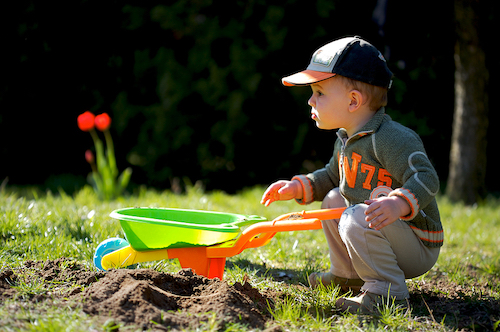
A new study published in the Journal of Developmental and Behavioral Pediatrics looked at positive childhood experiences among children and youth with special health care needs. “Previous research has largely focused on the prevalences of adverse childhood experiences in this population, and what information there was on positive childhood experiences was fairly limited,” study author Emma Boswell told us. “We hoped to be able to establish a sort of ‘baseline’ prevalence of positive childhood experiences to guide future research, and to share information that might be helpful to families, advocates, and clinicians.”
[More]
March 24, 2026
by Patricia Tomasi
A new study published in the Journal of EClinical Medicine looked at the effectiveness of brief interventions and contacts after suicide attempt. “Our study looked at whether brief, low-intensity interventions, such as short follow-up contacts or simple psychological strategies, can help reduce the risk of another suicide attempt after someone has already experienced one,” study author Stephanie Homan told us. “We wanted to understand how effective these approaches are, especially given that many people do not receive ongoing care after a suicide attempt.”
[More]
March 17, 2026
by Patricia Tomasi
A new study published in the Journal of Environment International looked at the independent and interactive effects of wet bulb globe temperature and air pollution exposures on suicide mortality. “The core focus of this study is to examine the combined associations of short-term exposures to heat (measured by wet bulb globe temperature) and air pollution (NO2 and PM2.5) with suicide mortality,” study author Dr. Dirga Kumar Lamichhane told us. ”This study provides vital insights into how heat and air pollution, both components of an environmental mixture, interact to elevate the risk of suicide.”
[More]
March 10, 2026
by Patricia Tomasi

A recent Sleep in America® Poll by the National Sleep Foundation (NSF) took a national look at how young children in the U.S. are sleeping and how that sleep is woven into everyday family life. “We wanted to understand not only whether children are getting the amount of sleep the NSF recommends, but also how parents think about sleep, what bedtime routines they rely on, and how children’s sleep relates to mood, behavior, and family functioning,” National Sleep Foundation SVP of Research and Scientific Affairs, Dr. Joseph Dzierzewski told us.
[More]
March 3, 2026
by Patricia Tomasi
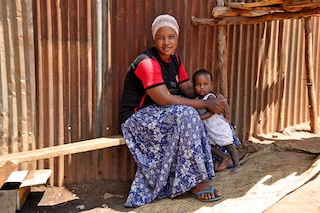
A new study published in Health Care for Women International looked at the impact of Transcendental Meditation (TM) on psychological distress and coping in the lives of women in Uganda. The study was a randomized control trial, considered the gold standard of research studies, and took place following two extensive lockdowns during the Covid-19 pandemic in Uganda. “While Uganda had a relatively small Covid outbreak, the lockdowns caused great hardship for Ugandans, especially women living in city slums,” study author Leslee Goldstein told us.
[More]
February 24, 2026
by Patricia Tomasi

A new study published in the Journal of Neuroscience and Biobehavioral Reviews looked at the neuroscience of nature exposure. “We looked across 108 peer-reviewed neuroimaging studies to understand what happens in the brain when people are exposed to natural environments, whether that is in real outdoor settings, in the lab, or through virtual reality,” study author Mar Estarellas told us. “We wanted to move beyond the general idea that nature is good for us, and ask a more precise question: What are the neural mechanisms that might help explain those benefits?”
[More]
February 17, 2026
by Patricia Tomasi

A new study published in the Harvard Review of Psychiatry looked at the long-term mental health impact of disasters. “The US, like other countries, is constantly confronted with a variety of natural and human-induced disasters, sometimes accompanied by severe human losses and significant social and economic impacts,” lead author Michel L.A. Dückers told us. “The impact of disasters on mental health, and the factors that influence it, have received substantial attention from scholars in recent decades."
[More]