May 5, 2021
by Patricia Tomasi
.jpg)
A new study published in the Journal of Applied Neuropsychology: Child looked at computerized inhibitory control training and its effect on reducing anxiety in preadolescent students. “The key goal of the study was to further examine the interrelation between inhibitory control (IC) and anxiety in preadolescent-aged children, and to determine whether training IC through a remote, computerized program could serve as an effective means for reducing anxiety,” lead author, Nathaniel Shanok, Ph.D. told us.
[More]
February 23, 2021
by Patricia Tomasi

A new study published in the journal, PNAS (Proceedings of the National Academy of Sciences of the United States of America) looked at how childhood self-control forecasts the pace of midlife aging and preparedness for old age. “We studied whether as adults, children who exercise better self-control age more slowly, and are more prepared to manage the health, financial, and social demands of later life,” study author Leah Richmond-Rakerd told us. “We also investigated whether self-control in adulthood – not just childhood – is important for aging.” Prior studies have shown that people with better self-control live longer lives. Richmond-Rakerd and the team predicted that people with better self-control would also age more healthily, in midlife.
[More]
December 1, 2020
by Patricia Tomasi

A new study published in the Journal of American Academy of Pediatrics looked at kindergarten readiness, later health, and social costs. “We used kindergarten readiness measures to forecast later academic, psychological, and health risks by end of high school,” study author Linda Pagani told us. “We wanted long term evidence of the importance of ensuring that all children are ready to learn at the time of school entry was crucial to support the idea of that prevention for all kinds of social problems have their origins in early childhood.”
[More]
September 8, 2020
by Patricia Tomasi
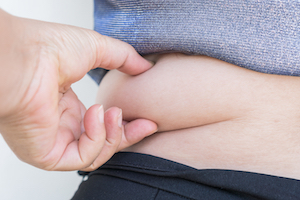
A new study published in the Journal of Child Psychology and Psychiatry looked at maternal prenatal body mass index (BMI) and human fetal brain development. “Given knowledge that the physical well-being of a mother during pregnancy is important for the long-term brain health of her child, we sought to discover whether and how maternal BMI may relate brain development in the womb,” study author Moriah E. Thomason told us.
[More]
June 18, 2020
by Elizabeth Pratt

Recent research from BYU suggests that spending too much time in front of the screen playing video games can be responsible for negative developmental outcomes for adolescents and result in an addiction to video games.
[More]
April 28, 2020
by Patricia Tomasi

How different are our brains from our primate ancestors? This is the question researchers in Germany attempted to answer in a new study published in the Journal of Science Advances. The study looked at brain asymmetry in humans and great apes as seen from endocasts, casts of the inner bony brain case that approximate the size and shape of the brain. Brain asymmetry is imperative to cognition and brain function in humans and has been linked to language and the use of tools.
[More]
February 4, 2020
by Patricia Tomasi

A new study published in the Journal of Family Systems and Health looked at whether Parenting Journey, a 12-week parenting program based on the principles of family systems theory, helps parents manage stress and improve family strengths. This is the first study of the impact of Parenting Journey on parent-reported outcomes. While there are many parent training programs, researchers say there is still a need for effective supports that can be delivered in the community to parents of different races and backgrounds.
[More]
January 21, 2020
by Patricia Tomasi

Imagine this: You’re five years old and you've just been given your favorite treat. Maybe it's a marshmallow or maybe it’s a lollipop. Whatever it is, you want to devour it instantly but are told that if you wait a certain amount of time and don’t eat it until that certain amount of time is up, you’ll get another treat of the same variety, thereby increasing your tally to two treats. What would you do? What would you say a five-year-old would do? And why does it matter?
[More]
January 7, 2020
by Patricia Tomasi

The tradition of making new year's resolutions goes all the way back to the Babylonians in 1894 BC. At the start of the new year, the Babylonians would make promises to their gods, return borrowed items and pay off debts. New year's resolutions continue to be popular thousands of years later. According to a recent survey completed in December, one in three people in the U.S. said they would be making resolutions for 2020. The survey also listed the most popular. Here's how to make sure you keep your resolutions all year long.
[More]
December 31, 2019
by Patricia Tomasi

If you’re wondering what new year’s resolutions to make, you might want to consider adding another spouse or two. According to a recent study of 2000 participants over two decades living in Tanzania, multiple husbands can be advantageous to women and children when times are difficult. While this scenario might not exactly play well in most relationships today, it seems that in that remote village in East Africa where the study took place, having an extra spouse can be a buffer in economic and social crises and help children live longer.
[More]