

Grief Counselor
Sheila Brown, MA, MHC-LP
Mental Health Counselor
In 10003 - Nearby to Mount Vernon.
All of us experience grief and loss in our lives. There is no escaping it. Unfortunately, there are many times that you will experience a loss that society does not sanction as "grief worthy." Loss of an early pregnancy, miscarriage, loss of a valued career or relationship, and the loss of a beloved pet often hit us hard, and result in feelings of grief. I listen with empathy and concern, and will assist you through the grieving process with sensitivity and support, while offering you effective ways of coping with your feelings.

Grief Counselor
Jason Powell, LMFT, CST
Licensed Marriage and Family Therapist and AASECT Certified Sex Therapist
In 10001 - Nearby to Mount Vernon.
Losing someone or something you love is profoundly painful. One of the greatest myths we hear is that “time heals all wounds.” In reality, time often deepens the ache unless we give ourselves permission to grieve. Healing requires space to mourn, honor what has been lost, and gently begin to carry it in a new way. It is my privilege to walk alongside clients as they move through grief toward healing, meaning, and peace.

Grief Counselor
Jenna Purcell, MSc, CCC
Social Confidence Life Coach
In 10012 - Nearby to Mount Vernon.
If you have lost someone close to you through death, relocation or the end of a relationship, and feel isolated and lonely, it takes time and support to gently move forward in life. If you are shy or feel anxiety in social situations it can be hard to reach out for help and create the supportive relationships you need. I can help you move forward, gain a new sense of self worth, and begin to create meaningful nurturing social connections.

Grief Counselor
Walter Masterson, LCSW
Psychotherapy and Counseling
In 10021 - Nearby to Mount Vernon.
Grief and loss can be triggered by many things; the death of a loved one, the loss of a beloved mate, being let go at a valued job, and many others. When we cannot get over the loss by ourselves, a therapist point us down new roads. Suddenly vistas of possibility begin to open up, and what once seemed hopelessly sad begins to take on its proper importance.
Grief Counselor
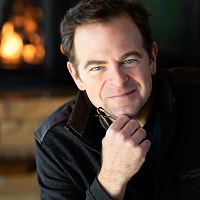
Kevin Fleming, Ph.D.
Coach/Change Agent/Consultant
In 10701 - Nearby to Mount Vernon.
Grey Matters International and the work of Kevin J. Fleming, Ph.D approaches issues of grief & loss through the lens of innovation----instead of growing the same neural networks responsible for the pain in weekly therapy sessions, we reset the brain to move forward quicker and efficiently by working on the stuck limbic system so as to empower the person with more success and traction. For no one wants to stay in a grief mode for too long; but when you don’t include the brain in your work with someone, you risk describing the water to them while they drown and calling it success. Contact Grey Matters International, Inc now at kevin@kevinflemingphd.com or 877-606-6161.
Grief Counselor
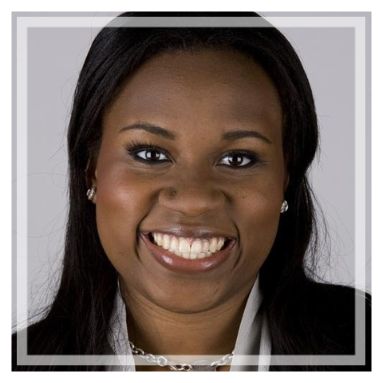
Jennifer Okwerekwu, MD, M.S., Psychiatrist
Reproductive Psychiatry & Integrative Women's Mental Health Practitioner
In 11385 - Nearby to Mount Vernon.
My approach to Grief & Loss Therapy is deeply empathetic and tailored to the unique needs of individuals navigating the complexities of reproductive experiences. Recognizing that grief and loss in the realm of reproductive health can be profoundly impactful, I provide a safe and supportive space for clients to explore and process their emotions. Utilizing evidence-based therapeutic modalities and drawing upon a holistic understanding of mental well-being, my aim is to help clients cultivate resilience, find meaning in their experiences, and ultimately foster healing and growth in the face of grief and loss.
Grief Counselor
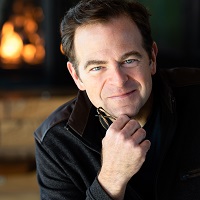
Kevin Fleming, Ph.D.
Coach/Change Agent/Consultant
In 10012 - Nearby to Mount Vernon.
Grey Matters International and the work of Kevin J. Fleming, Ph.D approaches issues of grief & loss through the lens of innovation----instead of growing the same neural networks responsible for the pain in weekly therapy sessions, we reset the brain to move forward quicker and efficiently by working on the stuck limbic system so as to empower the person with more success and traction. For no one wants to stay in a grief mode for too long; but when you dont include the brain in your work with someone, you risk describing the water to them while they drown and calling it success. Contact Grey Matters International, Inc now at kevin@kevinflemingphd.com or 877-606-6161

Grief Counselor
Audrey Augustave, LMHC, LPC, LCADC
Licensed Professional Counselor/ Licensed Clinical Alcohol & Drug Counselor
In 07631 - Nearby to Mount Vernon.
Losing friends, partners, or disassociated from family members is an underexplored form of grief. While someone has not passed away, Audrey believes in processing the loss of what could have been and will never be in the same way as grief. Together we will identify the source of your recent loss, the long term consequences of it and I will hold space for the moments when you need to pause and make peace with the changes in your life. A healthy dose a challenging what loss is teaching you into your new phase of life will be couples with understanding and empathy.
Grief Counselor
Mars & Venus Counseling Center, LCSWs, DCSW, LPCs, LCADCs, Ph.D.
LCSWs, DCSW, LPCs, LAC, LCADCs, and Ph.D.
In 07666 - Nearby to Mount Vernon.
Loss can come in so many different forms, yet the pain is there and is strong. When we hold someone or something dear to our heart and then they suddenly gone, we are often left with a hole in our heart and need to grieve that loss. Grief looks different for each person. There are 5 main stages of grief that most people will go through in an order: Denial and Isolation, Anger, Bargaining, Depression, and Acceptance. These are hard stages to walk through alone. Reach out and call one of our compassionate therapists at Mars and Venus Counseling Center who can help you to talk through each of the emotions that you experience at each stage.

Grief Counselor
Joel Stukalin, PHD, ABPP, FAACP, MS
QUEENS COUPLES COUNSELING CENTER
In 11375 - Nearby to Mount Vernon.
Dr. Joel Stukalin and Dr. Sara Mandelbaum have guided many clients like you through their grieving processes. Since each client is special and unique, we work with the utmost sensitivity to help you during this emotional period so often filled with many memories and feelings. Some clients also experience unfinished emotional business with the deceased, which we work through with substantial empathic understanding and patience. This sensitive collaboration with Dr. Joel and Dr. Sara is invaluable in supporting grieving clients to achieve a sense of therapeutic closure and relief. Clients have stated that doing this necessary grief work with Dr. Joel and Dr. Sara has restored their lives.

Grief Counselor
Edgard Danielsen, PhD, LP
Licensed Psychoanalyst
In 10001 - Nearby to Mount Vernon.
The pain you experience after losing a loved one is an intense human experience that could make you feel abandoned, hopeless, and incapable of moving forward in life. In addition, sometimes there is grief connected to losing something: a job, an opportunity, a past that will not come back, a country you left behind. I can offer an empathic ear and listening to you as you ponder important questions at this point in your life: What does your grief say? What are the fears that accompany your grief and loss? Is there a way to move forward in life knowing that the present and future will be different because someone or something won't be there with you?
Grief Counselor
Allia Brickman, LMHC, CGT, CCATP, CHT
Licensed Mental Health Counselor
In 11030 - Nearby to Mount Vernon.
Grief is a deeply painful and often lonely and scary process to experience. Depending on the severity of your loss, it can impact every aspect of your life, like a giant ball in the box that is your life. Every time the ball hits the wall of the box it hurts. Over time, the ball gets smaller and doesn't impact every aspect of your life. However, when it does bounce against the wall it hurts just like it did in the beginning. With the right understanding of how grief it ebbs and flows over time and the space to allow it to be expressed, one can begin to heal.

Grief Counselor
Allison Gaydos, LMSW, LSW
Psychotherapist
In 07306 - Nearby to Mount Vernon.
Individuals struggling with grieving the loss of a loved one can learn how to cope and heal from these painful life experiences and ease the trauma of grief. EMDR can assist in helping to relieve suffering and allow the natural process of grief and mourning to continue in a healthy, adaptive way. Clients can reprocess distressing memories that may relate to grieving process.

Grief Counselor
Esther Goldstein, LCSW,MSW, Trauma Therapist
Licensed Clinical Psychotherapist
In 11516 - Nearby to Mount Vernon.
Experiencing loss can be one of the most devastating parts of the human experience . Pain, shock, denial, anger, depression, rage, and acceptance are some emotions you may experience. I am here to sit with you and hold your sadness, as you process whatever it is that you are mourning; the death of a loved on, the end of a love relationship, position or change in family. Grieving is a necessary step in processing what has just happened, in effectively processing, understanding and slowly rebuilding your life, adjusted to the changes. It would be my honor to join you on your journey in healing and rebuilding your new reality, with inner strength, health and courage.

Grief Counselor
Philip Kolba, MA LCPC NCC
Psychotherapist
In 10013 - Nearby to Mount Vernon.
Grief and loss is, unfortunately, a normal part of living. There is no single "correct" way to grieve: different cultures and even individuals from the same culture grieve differently. The only consistent feature is that grief takes time. The most effective thing anyone can do for someone grieving is to be there—to listen, to empathize, to walk along with the grief. There is no "fixing" grief. But counseling can help prevent normal grief from developing into major depression or other mental health conditions.

Grief Counselor
Diane Davis, L.C.S.W.
Licensed Psychotherapist
In 10010 - Nearby to Mount Vernon.
The loss of an important person, can be a terrible shock. I help you with moving through the process of grieving, including issues of survivor guilt, anxiety and depression that may arise after a loss, whether it be loss of a person, job, or pet. When grief feels overwhelming, I can provide the support needed to find meaning in the past, and hope for the future.

Grief Counselor
Hal Brickman, LCSW, RCSW, CSW, MSW, CHT
New York State Licensed Clinical Social Worker
In 11375 - Nearby to Mount Vernon.
Grief and loss inevitably leads to anger & sadness. Not surprisingly, it also can lead to depression and feelings of guilt. The latter is called irrational guilt, as most of us lack magical powers to cure dying people. Even if they mean the world to us. I would encourage my clients to express feeling of guilt and anger often unconscious related to the loss. The anger is often at the person who died. Of course, this is irrational anger in most cases, as we all are going to die. The anger is over losing someone we love, value. I would use clinical interventions that usher in the grieving process. This fosters coming to terms with and an acceptance of the loss.
Grief Counselor
Allyson Cole, Psy.D.
Licensed Psychologist
In 10016 - Nearby to Mount Vernon.
The way that a person has learned to protect themself self from a traumatic event develops into a part of their character in adult life. Our clinicians are trained to help you understand all of your parts and show you that the scary experience is over. We help you truly feel that you got through it and you can protect yourself if you need to! With this approach, we invite the wise parts of you to care deeply for the parts of you who are hurting. You have the power to regain control over your life, move forward, and heal.
Grief Counselor
The Imago Way, Psy.D. & L.C.S.W.
Licensed Psychologist & Licensed Social Worker
In 10543 - Nearby to Mount Vernon.
I teach my clients about the stages of grief. This often which helps to normalize what they are experiencing. It can be so overwhelming and isolating to lose someone you love. I give clients a safe place to explore all of their emotions around their loss. I work to help clients feeling grounded again and take the steps necessary to find a new normal.

Grief Counselor
Francesca Wehr, LCSW
Licensed Clinical Social Worker
In 07086 - Nearby to Mount Vernon.
Grief doesn't follow a schedule, and it doesn't always look like sadness. It can show up as anger, numbness, guilt, or even relief, and any of it is valid. Losing someone or something significant can shake your entire sense of self and purpose. I work with grieving clients using a combination of CBT, EMDR, and somatic approaches to help you process what you're carrying, at whatever pace feels right. We'll work through the hard emotions, find ways to honor what you've lost, and rebuild a sense of meaning. Healing from grief isn't about moving on. It's about learning to carry it differently.

Grief Counselor
Jessica Biles, LCSW-R, RPT
Licensed Clinical Social Worker
In 10017 - Nearby to Mount Vernon.
We all experience loss at one point in our lives, but that doesn’t make it easier. Whether you’ve experienced the loss of a loved one, a relationship, a job, or something else meaningful to you, loss can leave us feeling alone, depressed, confused, and empty. I have extensive experience working with children and adults who have experienced loss and complicated grief. I provide a safe, gentle, and non judgemental environment and use a mix of trauma focused cognitive behavioral and insight oriented interventions. Through our work together you will begin to process your grief experience, learn coping skills to get you through the day, honor what you have lost, and to ultimately heal.

Grief Counselor
Gerald Schoenewolf, Ph.D.
Licensed Psychoanalyst
In 10009 - Nearby to Mount Vernon.
Grief and loss can happen when you're young or old. Whenever it happens it can result in an ongoing depression that can hamper your life. I understand how devastating it can be and use various approaches to help you recover and return to your best self. Having been there myself and worked through my own grief and loss, I know what it takes to overcome the pain of grief and loss, and I will help you overcome your own pain and regain your own healthy balance.
Grief Counselor
Carolyn AlRoy, Psy.D.
Licensed Psychologist
In 10011 - Nearby to Mount Vernon.
If it is a past loss we will talk about that relationship and what it meant to you, and see how that person affected you in your current life and what he/she meant to you. If it is a current or impending loss, we can focus on day-to-day issues to lessen anxiety, and process how to handle what time is left. Practical issues may be discussed. if you find yourself obsessing we will probably focus on feeling, if you find yourself lost in feeling, we may focus on verbalizing your thoughts and your feelings. If you are overwhelmed by depression and find it difficult to function, I will make recommendations for medications and/or alternative strategies.
Grief Counselor
Transformation Counseling Services, LMSW,PsyD,LCSW
LMSW,PsyD, LCSW,LPC
In 10003 - Nearby to Mount Vernon.
Everyone grieves differently which means that coping with loss looks differently and varies from person to person. At Transformation Counseling Services our therapists are specially trained to help you move through the stages of grief and work through your loss. If you are experiencing grief related symptoms we are here to help. Please contact us for a free consultation.

Grief Counselor
Sherry Henig, Ph.D.
Clinical Psychologist
In 11803 - Nearby to Mount Vernon.
Grief counseling helps people cope with grief and mourning following the loss of a loved one or due to major life changes that trigger feelings of grief (i.e. job loss or divorce). It provides a space for individuals to work through and process the complex emotions surrounding loss. Healthy grieving results in remembering the loss with a newfound sense of peace, rather than searing pain.
Compassionate Bereavement Services in Mount Vernon, NY.
Thank you for visiting our New York search of licensed grief specialists in Mount Vernon. Moving through grief after loss is difficult. Therapy helps through listening, by having someone there with you who understands the stages and process of grieving. You can find help for grief in Mount Vernon right now, please contact a provider above, you can email 24/7.
Mount Vernon is located in Westchester County, New York. It has a land area of 4.38 square miles and a water area of 0.01 square miles. The population of Mount Vernon is 68,628 people with 24,989 households and a median annual income of $50,952. .
Therapy Affordability Meter for Mount Vernon, NY
Affordable with Planning
Therapy in Mount Vernon is generally within financial reach for the average family, but some budget planning may be needed for a real commitment to weekly counseling. Remember that your mental health and happiness are important. Check with your Mount Vernon therapist about insurance coverage or ask about sliding scale fees if there are any difficulties with accessibility. Low cost counseling and affordable therapy are also sometimes offered by listed city and university level clinics, check with your local Mount Vernon public health department.