February 18, 2021
by Elizabeth Pratt
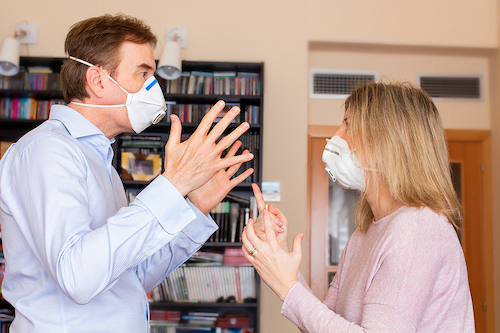
Life in a pandemic for married couples can lead to feelings of sadness and anger.
Many couples across the country are co-existing at home for extended periods due to COVID-19.
Now, researchers have found the more a person feels their spouse disrupts their daily lives, the more they view their relationship as turbulent.
[More]
December 31, 2019
by Elizabeth Pratt
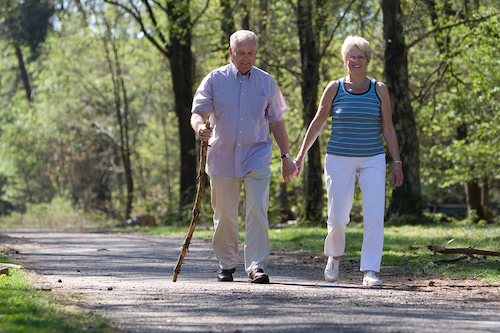
As married couples get older and develop more chronic conditions the demands placed on them can lead to worsening mental health.
[More]
July 2, 2019
by Patricia Tomasi

Though the divorce rate in the United States is 50 per cent and growing, and higher for second and third marriages, over 90 per cent of people in Western cultures still decide to get married by the age of 50. Why is the divorce rate so high? The influences on marital success are varied and many. What about the way in which people approach the important decision about whom they will spend their life with? Could that be having an effect?
[More]
May 15, 2019
by Elizabeth Pratt
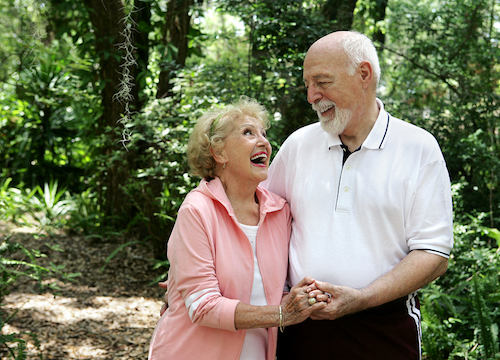
A happy spouse won't just result in a longer marriage, now researchers have found it could also lengthen your life.
[More]
January 1, 2019
by Patricia Tomasi

Postpartum mental illnesses such as postpartum depression can put a lot of strain on a relationship. A new study published in the journal, Frontiers in Psychology, examined the impact of postpartum post-traumatic stress and depression symptoms on a couple’s relationship satisfaction.
[More]
December 19, 2018
by Elizabeth Pratt

Is the honeymoon period long over in your marriage? The University of California Berkeley may have some good news for you. They found that as married couples age, bickering is replaced with humour.
[More]
August 5, 2018
by Elizabeth Pratt

A world first study has found men can suffer from postcoital dysphoria, a condition characterised by feelings of anxiety, irritability and agitation following sex.
[More]
February 3, 2018
by Hilda Huj

The Valentine's Day hype makes it easy for us to forget that every day is an opportun
[More]
February 1, 2018
by Hilda Huj

Valentine's Day is an annual festival to celebrate love, and yet while all the focus is on how relationships thrive and come close together, the flip side is that it brings to bear in many the struggles and challenges that often result in relational decay.
[More]
Plus sized model, Ashley Graham, revealed in a recent interview that although she weighs more than her husband, Justin Ervin, he feels like he’s bigger. This begs the question, why is a size comparison brought into the equation?
Yes, the caveman had to be stronger than “his” woman since he was going out to capture wild animals. But today? We never hear of men going out with their bow and arrow to shoot a wooly mammoth.
[More]