

Julie Holt, MA, LMHC
Psychotherapist
1037 NE 65th Street #338, Seattle, Washington 98115 | 206 979 6764
Life can be messy and together we can figure it out. Whether you're new to therapy or you're looking to deepen work you've already done, I provide a safe space to unravel and unwind whatever is getting in the way and create new pathways toward the life you want.
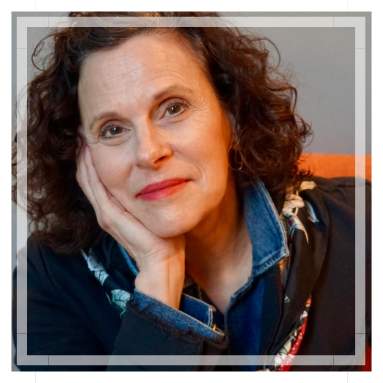
Anavadya Taylor, M.S.W.
Individual, Relationship, and Marriage Counselor
Houghton, Kirkland, Washington 98033 | Email anavadya@me.com
I offer clear guidance and tools to help you turn difficulties into opportunities for expansion. I will show you how to release layers of problematic patterns so that you can connect with inner wisdom, heart, and peace. In time your amazing talents are revealed to you.
Kevin Fleming, Ph.D.
Coach/Change Agent/Consultant
Seattle, Washington 98188 | 1-877-606-6161
Grey Matters Intl & Dr. Kevin Fleming(cited expert for NY Times, CNN, Fortune, Sporting News)is all about bold thinking & neuroscience innovation in getting mood/behavior change when shrinking,feel good self-help, and pills aren't cutting it. Indiv/couples/family.
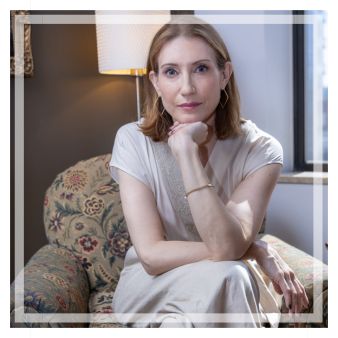
Julie Wilson, M.A., L.M.H.C.
Psychotherapist
2200 6TH AVE, Seattle, Washington 98121 | 1-206-855-3026
I’m a results-oriented therapist and strive to create value and movement in each session to bring you closer to reaching your therapeutic goals. I am conversational and non-judgmental while being analytical, and intellectually informed.
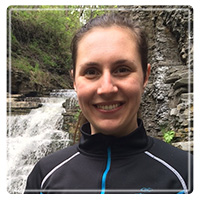
Kristene Kaim, MA, LMHC, MHP, CCATP
Licensed Mental Health Counselor
2200 6th Avenue, Seattle, Washington 98121 | 206 898 3709
The decision to start therapy is a positive one. People often know that they need change, but don't know where to start. I provide a safe, down to earth, and compassionate place to explore and work through your thoughts and get you to where you want to be.
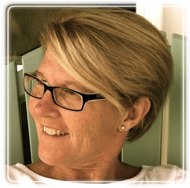
Linda James, M.Ed.,MS
Licensed Individual, Marriage and Family Therapist
Telehealth, Seattle, Washington 98115 | 206-724-6857
I am an Individual and Marriage therapist. I specialize in working with individuals who struggle with depression and anxiety. I also see couples that need a tune up to get to healthier communication in their daily lives. I can give you tools to help you move forward.

Antioch University Seattle
2326 6th Avenue, Seattle, Washington
Mental health evaluation satisfy court-order requirements. We serve all ethnic groups and LGBTQI individuals including children, adolescents, adults and older adults. Counseling options include individual therapy, family therapy, play therapy, clinical consultation, couples therapy, and art therapy.. The Clinic does not prescribe or manage medications.
Fees - sliding scale based on income and household size; therapy starts at $20, assessments start at $250. Hours are Monday through Thursday from 10:00 a.m. to 7:00 p.m. and Friday from 10:00 a.m. to 5:00 p.m.
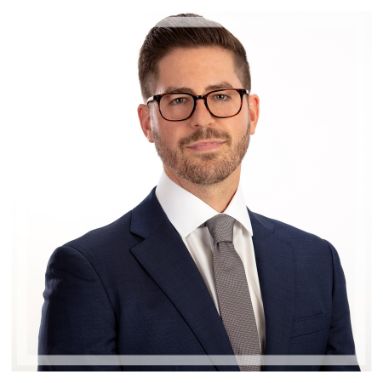
Ross Kellogg, Licensed Marriage and Family Therapist, LMFT
Licensed Individual, Marriage, and Family Therapist
Available for Online Therapy
I'm Ross Kellogg, LMFT and I provide individual, family, and couple's therapy. My therapy process provides a supportive environment to work on short or long term goals. Together, we will use modern therapy tools to efficiently meet your personal and relational needs.
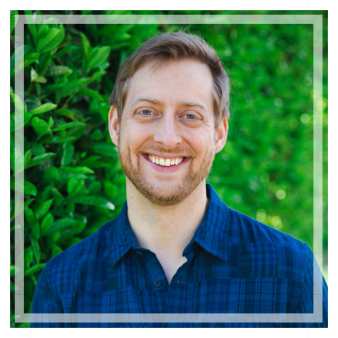
Brandon Zahl, LMHC
Mental Health Counselor
Seattle, Washington 98109 | 206-413-8131
Trauma-informed, body-centered and mindfulness-based therapy for anxiety, depression and PTSD. Working with underlying trauma and childhood wounds is my specialty.
You Have Found The Best Therapists in Seattle, WA. Let's Get Started and Change Your Life.
Welcome to our Washington listing of values-centered therapists in Seattle WA. Counseling in Washington with Theravive aims to be real and effective, going deep to resolve issues, heal broken relationships, and give you the right tools to move forward in a healthy and free way. Contact forms are "open" 24/7 it's free and easy to reach out, so select a Seattle therapist above and start your new journey today.
Seattle is located in King County, Washington. It has a land area of 83.83 square miles and a water area of 58.72 square miles. The population of Seattle is 724,305 people with 296,633 households and a median annual income of $70,594. .
Therapy Affordability Meter for Seattle, WA
Mostly Affordable
Establishing weekly sessions with a professional therapist is considered affordable in Seattle for the average family. While sustaining a commitment to therapy is usually not an issue, if mental health treatment feels like a burden please ask your counselor about accepted insurance plans or sliding scale fees. Low cost counseling and affordable therapy are also sometimes offered by listed city and university level clinics, check with your local Seattle public health department.