April 2, 2024
by Patricia Tomasi
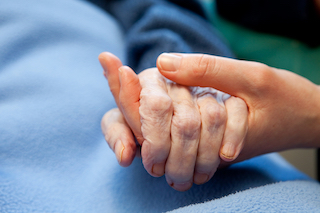
A new systemic review and multivariate meta-analysis published in the Journal of Nature Human Behaviour looked at the physical and mental health benefits of touch interventions. “Our study is a meta-analysis, meaning that we collected data from all available studies and merged it together, on the effects of touch interventions on health benefits,” study author Julian Packheiser told us.
[More]
March 12, 2024
by Patricia Tomasi

A new study published in Taylor & Francis looked at forced separation between people and their companion animals. “The research was about people and pets that shared a human-animal bond and had experienced a crisis situation, such as domestic violence, homelessness and natural disasters,” study author Jasmine Montgomery told us.
[More]
February 27, 2024
by Patricia Tomasi

A new study published in Cities and Health looked at associations between real-time, self-reported adolescent mental health and urban and architectural design concepts. “First, we designed a walking route (1.7km) with seven stops, and quantified the actual spaces according to a number of features of pedestrian and transit oriented design,” study author Leia Minaker told us. “Next, we took 70 kids between nine and 17 years old on a walk, and had them fill out these surveys at each stop.”
[More]
February 20, 2024
by Patricia Tomasi

A new study published in the Journal of School Violence looked at assessing the relationship between exposure to violence and perceptions of school safety and emergency preparedness in the context of lockdown drills. “Our study considers the relationship between students’ participation in lockdown drills, their exposure to violence at school, and their perceptions of school safety and emergency preparedness,” study author Jaclyn Schildkraut told us.
[More]
January 23, 2024
by Patricia Tomasi

A new study published in the Journal of Behavior and Information Technology looked at whether less social media use can contribute to more satisfaction, work-engagement and mentally healthy employees. “The study focused on the question how to reduce potential negative effects of social media use on work- and mental health related variables,” study author Dr. Julia Brailovskaia told us. “Based on our previous findings, we hypothesized that the reduction of social media use time will have those positive effects.”
[More]
January 16, 2024
by Patricia Tomasi

autistic children in the aftermath of events on October 7th, 2023 in Israel. “Following the unprecedented attacks by Hamas on October 7th, we sought to understand the psychological experience of autistic and non autistic children and their parents,” Dr. Judah Koller of the School of Education at the Hebrew University of Jerusalem told us.
[More]
January 9, 2024
by Patricia Tomasi
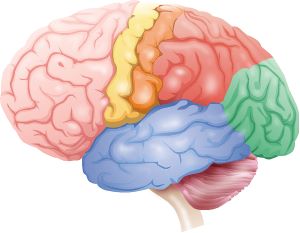
A new study published in the Journal of Translational Psychiatry looked at the spatiotemporal expression patterns of anxiety disorder-associated genes. “There are a substantial number of neuroimaging and microstimulation studies that identify neural circuits linked to anxiety as a trait or specific anxious behaviors such as pessimistic decision-making,” study author Kalyani B. Karunakaran told us.
[More]
January 2, 2024
by Patricia Tomasi

A new survey was recently released by the American Heart Association regarding health habits during the holidays. The survey found that nearly 80 per cent of people overlook their health needs during the holidays. “The survey is about the general trends and attitudes U.S. adults have about stress during the holiday season,” Dr. Glenn Levine told us. Dr. Levine is a volunteer medical expert from the American Heart Association.
[More]
December 5, 2023
by Patricia Tomasi

A recent review in the Journal of Trends in Pharmacological Sciences was written by four scientists from different universities -- Dr. Bernhard Luscher from Penn State University, Dr. Jamie Maguire from Tufts University, Dr. Uwe Rudolph from University of Illinois Urbana-Champaign, and Dr. Etienne Sibille from the University of Toronto -- who have a longstanding interest in the role that GABAA receptors play in the brain, specifically for the development and therapy of depression.
[More]
November 14, 2023
by Patricia Tomasi

A new study published in the Journal of Youth and Society looked at the influence of the neighborhood environment on stress among Black American adolescents. “My study uses this scoping review method to explore what is known about various aspects of the neighborhood environment and how these aspects contribute to stress among Black children and youth aged 10-18 years old. We were hoping to identify specific characteristics of the neighborhood environment and home in on how these characteristics have contributed to stressors among Black children and youth – with the goal of brainstorming some strategies for resolving this relationship," study author Dr. Melissa L. Villodas told us.
[More]