December 15, 2021
by Elizabeth Pratt

Smartphone and computer-based treatments are effective at reducing symptoms of depression.
Research published in the Psychological Bulletin found that digital interventions could be effectively used as a treatment for depression for a variety of groups with different levels of depression.
[More]
June 29, 2021
by Patricia Tomasi

A new study published in PNAS looked at attention bias modification in drug addiction and enhancing control of subsequent habits. “In substance use disorder, cues and contexts that remind an individual of the experience of substance use start to habitually grab attention and elicit a physiological response (arousal) that is thought to result in craving and culminate in compulsive substance use,” study author Muhammad A. Parvaz told us.
[More]
August 9, 2019
by Tina Arnoldi
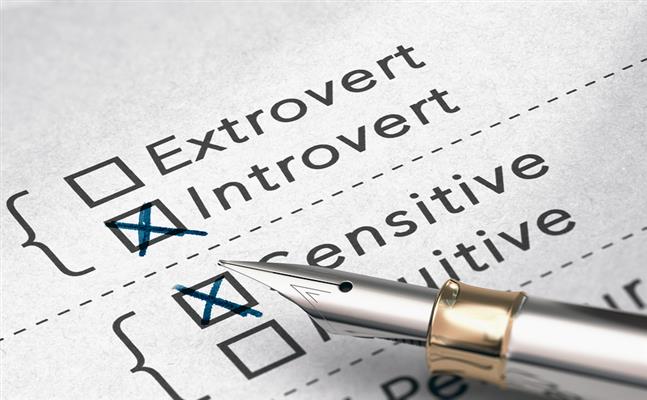
Is it helpful to classify personality types or does it put people into a box? A review of taxometric studies of personality concluded: “Whether personality attributes are best understood as dimensions or categories (types) is the subject of some debate.” Yet another recent study stated that “information is lost when personality facets are overlooked”. Experts weighed in on the usefulness of classifying personality types.
[More]
March 22, 2019
by Tina Arnoldi
Design thinking, an innovative way to explore solutions in the business world, offers a creative way to solve problems with a human centered approach. The phases of design thinking can be used in mental health treatment and potentially improve patient care since the core approach is human centered.
[More]
July 13, 2018
by Kimberly Lucey

Pediatricians are most often the first line of treatment for mental health issues in children. A recent study shows that much work needs to be done supporting primary care physicians with adequate communication from mental health specialists.
[More]
June 22, 2018
by Tina Arnoldi

A spate of recent mental health startups has some looking into their effectiveness. Although research shows some issues from the overuse of technology and smartphone addiction, with a negative impact on attention spans, depression, and anxiety, some startups are looking for positive ways to use technology for good.
[More]
Attention Deficit Disorder (ADD) has become a very widely known term in many people’s family life. Whether you have a child that has been diagnosed through their pediatrician or their school, you are grateful that the issues your family struggles with have a name and an intervention or you believe that the condition is over-diagnosed and over-medicated in children, you likely have heard about this diagnosis.
[More]
December 15, 2014
by Marti Wormuth, MA

Many of us have talked about being "obsessed" over something in our lifetime, but what does that actually mean? There are a lot of definitions floating around, but there are some people in this world where their "obsession" actually becomes something that gets in the way of living a happy, fruitful life. It can be difficult for people to get through these sorts of times in their lives, and they may have some struggle with their obsession.
[More]
November 23, 2014
by Marti Wormuth, MA

Attention Deficit Hyperactive Disorder, better known as ADHD, is a disorder that many people in the United States have to deal with on a regular basis. Whether you're an adult that didn't get treated as a child, an adult that developed adult onset ADHD, or you have a child that has ADHD, there are a lot of things that you need to do in order to deal with the disease in a way that is effective and helps you or your child work through life in the way that they were intended to.
[More]
September 3, 2014
by Cathy England, MA
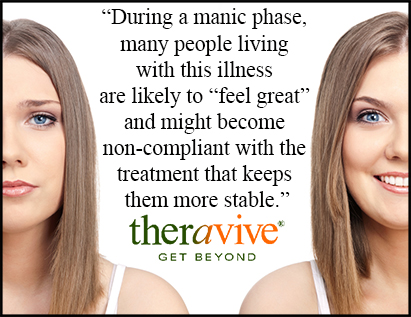
Bipolar Disorder was commonly referred to as Manic Depressive Disorder, and is a mental illness that is characterized by extreme changes in mood from very high or manic, and very low or depressed. It is considered to be one of the more disabling disorders especially when it goes untreated. During manic phases, people can be self-destructive and impulsive which can be difficult for others to deal with. Also during a manic phase, many people living with this illness are likely to “feel great” and might become non-compliant with the treatment that keeps them more stable.
[More]