Addiction Counselor
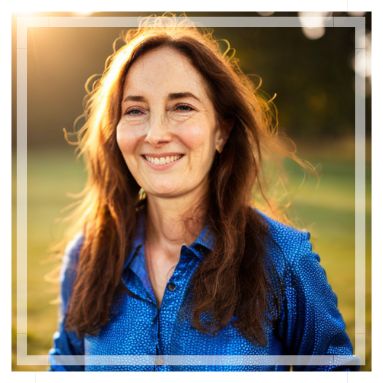
Carolyn AlRoy, Psy.D.
Licensed Psychologist
60 West 13th St., Suite A, New York, New York 10011 | 3473063454
Overall, I treat addiction much like I would treat any other crisis. I would do addiction assessment to make sure I'm the right person to treat you. I'd identify triggers, what makes you more likely to repeat the addictive behavior. I can work with substance use and sex addiction. My general belief is that addiction is a way that people avoid dealing with other people and their problems. It can be a learned behavior. In order to stop doing the offensive behavior, it is important to focus on what you do want to do. This is the process of recovery, and I will do my best to facilitate this.
Addiction Counselor
Hal Brickman, LCSW, RCSW, CSW, MSW, CHT
New York State Licensed Clinical Social Worker
110-50 71st Road, Forest Hills, NY, New York 11375 | (516) 439-4282
The cycle of addiction is dizzying to the addict and it creates what I calling "doing" some forward movement in growth. And undoing. The old (by now probably moldy) undoing). The trapdoor for the addict is you know the drug offers relief. And since you live only in the hear and now (emotional and physical pain can cause that feeling) you want the instant relief that it seems only the drug gives you. My job is to gently and sometimes not so gently dispel you of this massive myth. What you really need is to learn to slow down by substitution of behaviors. It will be clearer when we meet.
Addiction Counselor
Heidi Seifert, LCSW-R, MA
Licensed Clinical Social Worker
85 Fifth Avenue, New York, New York 10003 | 917-456-4127
You went after work to hang out with friends. You had some drinks or you got high. Everything was fine in the beginning until you noticed that just stopping was no longer easy. I believe that people can reduce or completely stop. The choice is yours to make. There are consequences to working me; you may decide you don't need to be high or drunk to enjoy yourself.
Addiction Counselor
Gerald Schoenewolf, Ph.D.
Licensed Psychoanalyst
99 E 7th Street, New York, New York 10009 | 347-712-1752
There are all kinds of addictions, from substance abuse to internet pornography. In each case, the bottom line is that a person is dealing with feelings of depression, anger or anxiety in a destructive way. They drink, gamble or look at pornography whenever they feel stress, but do not face the feelings that are causing the stress and work through them. I encourage addicts to make use of 12-step programs in combination with psychotherapy. When they stop denying and commit themselves to both, they quickly make progress.
Addiction Counselor
Kevin Fleming, Ph.D.
Coach/Change Agent/Consultant
Lower Manhattan, New York 10012 | 1-877-606-6161
While most treatment approaches to addiction include 12 step progams, rehabs, and now sober living houses, Grey Matters International, Inc. provides a wildly successful alternative to traditional models of addiction treatment----that keeps the brian in mind. That is, talking to the conscious brain while the primal brain is deciding things even before you are consciously aware? well, that is the problem to solve in addiction. We have the solution utilizing a new cutting edge neuroscience-centered brain rebalancing system. Contact kevin@kevinflemingphd.com or call 877-606-6161
Addiction Counselor
Blair Bisher, NCC, PhD(c), CSAT-c, MS, MHA
Porn & Sex Addiction Counselor
Stamford, Connecticut 06902 | 617-935-6570
I will help you find freedom from your compulsive and addictive behaviors. Leveraging a solutions-focused approach via an 8-session curriculum to help men understand and overcome sex and porn addiction, or compulsive sexual behavior disorder. We will discuss problem definition, solution creation via the miracle exercise, understanding control through understanding internal/external variable assessment, brain mapping, identity, sustainable sobriety, defense mechanisms and ultimately determining what fix your compulsive behavior is delivering.
Addiction Counselor
Philip Kolba, MA LCPC NCC
Psychotherapist
New York, New York 10013 | 503-606-6412
Addiction is a mental health condition and I treat addiction by a multi-pronged process predominately from a Dialectical Behaviour Therapy (DBT) model. I help my clients understand the reasons they use a substance or engage in an addictive behavior, teach them skills regulate their emotions and tolerance distress that might otherwise lead them to engage in their addiction, and address any underlying issues that contribute to their addiction. I also help clients with with concerns about their substance use or compulsive behavior to avoid developing addictions.
Addiction Counselor
Helen Paulucci, LCSW, LCADC
Licensed Clinical Social Worker
205 Hudson Street, Manhattan, New York 10013 | 732-479-8328
Addiction Counseling can include substances, alcohol, behaviors, eating, technology, gambling and others will be addressed in therapy sessions. Taking a look at current patterns in behaviors and how changes can occur will be explored and processed. Natural ways to target urges and cravings will be discussed in order to build confidence in the ability to tackle any challenge.
Addiction Counselor
Allison Gaydos, LMSW, LSW
Psychotherapist
26 Journal Square, Jersey City, New Jersey 07306 | 201-243-4435
Individuals in the process of recovering from substance use can learn how to prevent relapse, identify and process triggers associated with substance use, learn interpersonal and emotion regulation skills to navigate life in recovery from using substances and assist in developing a positive support system. Individuals can learn about treatment and recovery from substances.
Addiction Counselor
Marty Tashman, Ph.D.(psychology), ACSW, M.S.W.
Dr. Marty
622 -624 Valley Road, Uppper Montclair, New Jersey 07043 | 1-888-281-5850
Addiction: Alcohol, Drugs, Porn, Sexual, Gambling, & Over Spending Do you really believe that your addiction is ruining your life then you are ready for us to work together. However, having said that, if you are addicted, you need more than will power. To “beat your addiction” you need new strategies and tools, and you also have to develop a practical plan to be able to combat your addiction that would involve additional techniques. To learn about 7 different therapies that can be used to treat addiction go to: http://drmartytashman.com/a-note-to-the-person-struggling-with-addiction
Addiction Counselor
Cathy Roberts, LCSW
Licensed Clinical Social Worker
Montclair, New Jersey 07043 | 973-809-1343
As a recovering person myself, I have a firsthand knowledge of the power of addiction and the joys of sobriety. I enjoy working with other people who have the courage to face their addiction, understand what is driving it and who are willing to commit to living a sober life. Living sober is a challenging task, and is best accomplished through education, exploration of triggers and alternative coping strategies, and the support of others who encourage your recovery.
Addiction Counselor
Lewis Pagano, LPC
Licensed Professioal Counselor
5 Roosevelt Pl Suite B-1, Montclair, New Jersey 07042 | 973-780-6186
I have 20 years working with adolescents and adults in substance abuse. I also work with people with opiate addiction and buprenorphine treatment. I do substance abuse evaluations with recommendations if requested.I can also manage outpatient and inpatient treatment if needed. I have an extensive background in substance abuse treatment, family therapy, and working with adult children of alcoholics and substance abusers.

Addiction Counselor
David Mark, MS, LCSW
School Psychologist, Licensed Social Worker, Certified Gottman Therapist
Jamaica, New York 11434 | 516-241-1177
I truly enjoy working with individuals struggling with addictions. Slowing down and moving the client into a different place and space is an area that I have had positive experiences with in my practice. Individually or in couples counseling or even at an Art and Science of Love Workshop has been a particular interest and area where I have succeeded as a therapist.
10706 is a zip code located in Westchester County and part of Hastings on Hudson, New York. It has a land area of 2.894 square miles. The population of 10706 is 8,679 people.